Your concerns
Discuss discomfort, tightness, and changes in daily activity.

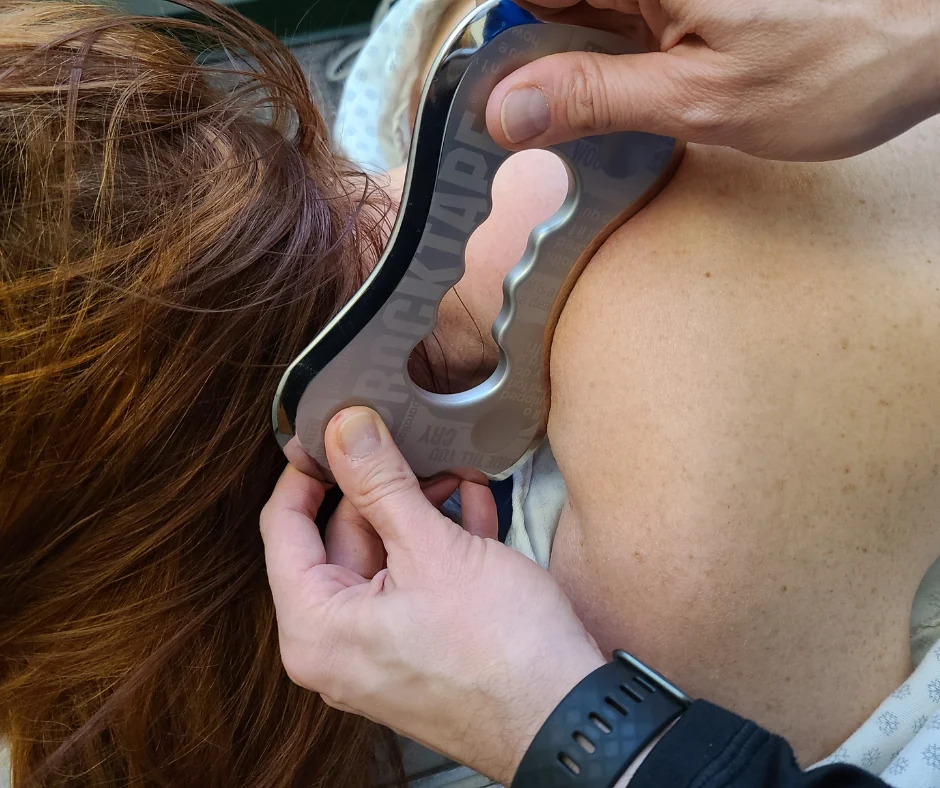
Care for muscles & soft tissue
Soft tissue care at our Freeport clinic can include RockBlades, RockTape, and cupping. Talk with our team about your discomfort, movement, and the activities that matter to you.
Understanding soft tissue care
Soft tissue mobilization focuses on muscles and surrounding tissues. Depending on your needs, treatment may involve hands-on care, shaped instruments, taping, or cupping.
Tell us what feels restricted and what you want to do more comfortably. Your assessment helps guide the techniques and any exercises included in your care.
Discuss discomfort, tightness, and changes in daily activity.
Share the tasks or activities you want to work toward.
Ask about the technique and tell us how treatment feels.
Treatment options
Learn about the options described by our clinic. Your team will explain which techniques are being considered for your care.
Instrument-assisted care
RockBlades are shaped tools used for instrument-assisted soft tissue mobilization, often shortened to IASTM. The clinician moves a treatment edge over selected areas of soft tissue.
Ask how the technique and pressure will be adapted to your comfort and treatment area.
Kinesiology taping
RockTape is an elastic kinesiology tape applied to the skin. It is designed to move with the body and may be included alongside exercise or other care.
Your clinician can explain the application, wear time, and removal instructions. Tell us about adhesive sensitivities.
Suction-based treatment
Cupping uses cups to create suction at the skin. Your clinician can explain how this technique would fit your plan and what to expect during the session.
Temporary skin marks can occur. Research on pain relief is limited, and results vary.
What to expect
Before treatment, ask about the expected benefits, risks, and other choices. Your response helps guide what happens next.
Tell us about your symptoms, previous injuries, current treatment, and the activities affected.
Your clinician explains the proposed technique and treatment area. Share any questions or concerns before beginning.
Let the team know how you feel during and after the session. Ask about aftercare and any exercises recommended for you.
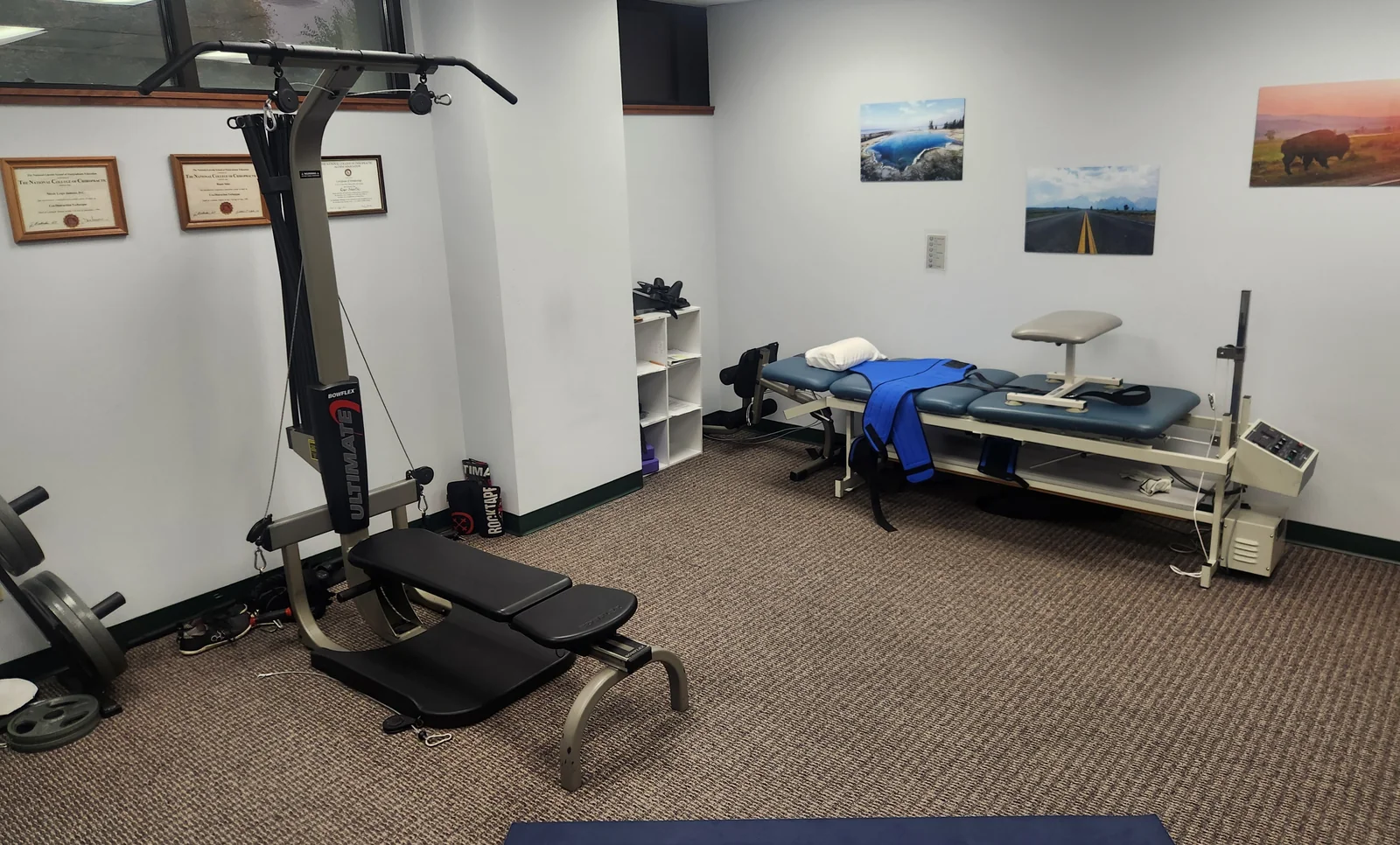
Part of your care
Your care plan can bring soft tissue techniques and rehab exercises together. Ask how the recommended treatment relates to your day-to-day movement.
When exercises are part of your plan, get clear instructions and a review of your technique.
Explore rehab exercisesBefore your visit
Ask about the tools, taping, cupping, or how these options fit your care.
It focuses on muscles and the tissues around them. Your clinician will discuss the area being treated and whether soft tissue care fits your symptoms and movement goals.
RockBlades are tools for instrument-assisted soft tissue mobilization. Their different edges let the clinician work over selected areas. Ask about the proposed pressure and technique before treatment.
Your plan depends on the assessment and your preferences. Ask which techniques are being recommended, why they have been chosen, and what other options are available.
Remove the tape gently if it causes itching or irritation, and let your clinician know. Ask for removal guidance and avoid applying tape over damaged skin.
Cupping can leave temporary marks. It can also cause skin injury, discoloration, or infection. Discuss skin conditions and other health concerns with your clinician before treatment.
Soft tissue techniques may be included with chiropractic care or rehab exercises when appropriate. Your clinician will explain how each part of the plan relates to your goals.
Talk with our team
Call with questions about soft tissue mobilization or to arrange a visit.