Your symptoms
Describe discomfort, swelling, and any change in movement.


Foot care in Freeport
Foot pain can make the first steps of the day or a long shift uncomfortable. Talk with our team about your symptoms, footwear, and the activities you want to return to.
Understanding foot pain
Bones, joints, muscles, and connective tissues help your feet support weight and adapt to the ground. Symptoms can arise in the heel, arch, toes, or elsewhere in the foot.
Tell us where it hurts, when it began, and what makes it better or worse. Your history and examination help guide care or further medical assessment.
Describe discomfort, swelling, and any change in movement.
Share how walking, stairs, work, or sport feel.
Ask about suitable treatment and any further assessment needed.
Common causes
Foot pain can follow an injury or build with repeated loading. An assessment helps distinguish possible causes before you choose care.
Pain beneath the heel or into the arch may involve the plantar fascia. First steps after rest can be uncomfortable, but heel pain has other causes too.
Discomfort at the back of the heel can involve the Achilles tendon. Activity changes and the pattern of symptoms help guide assessment and suitable loading.
A twist or sudden stretch may injure ligaments, muscles, or tendons. Swelling or bruising after an injury should be discussed, especially if walking is difficult.
Repeated loading can cause a stress fracture in a foot bone. Persistent, localized pain with weight-bearing needs assessment; do not try to exercise through a suspected fracture.
What you may notice
Tell your clinician where pain occurs and whether it changes with shoes, standing, walking, or rest. Mention any injury, altered sensation, or difficulty putting weight on the foot.
Care at our clinic
Our team will discuss whether care at the clinic fits your needs or whether further medical assessment is appropriate.
Talk about how the problem started, previous injuries, current care, and the activities affected.
Ask about the assessment findings, proposed treatment, alternatives, costs, and what to expect.
Follow the guidance agreed with your clinician. Your response helps guide changes to the plan or referral when needed.
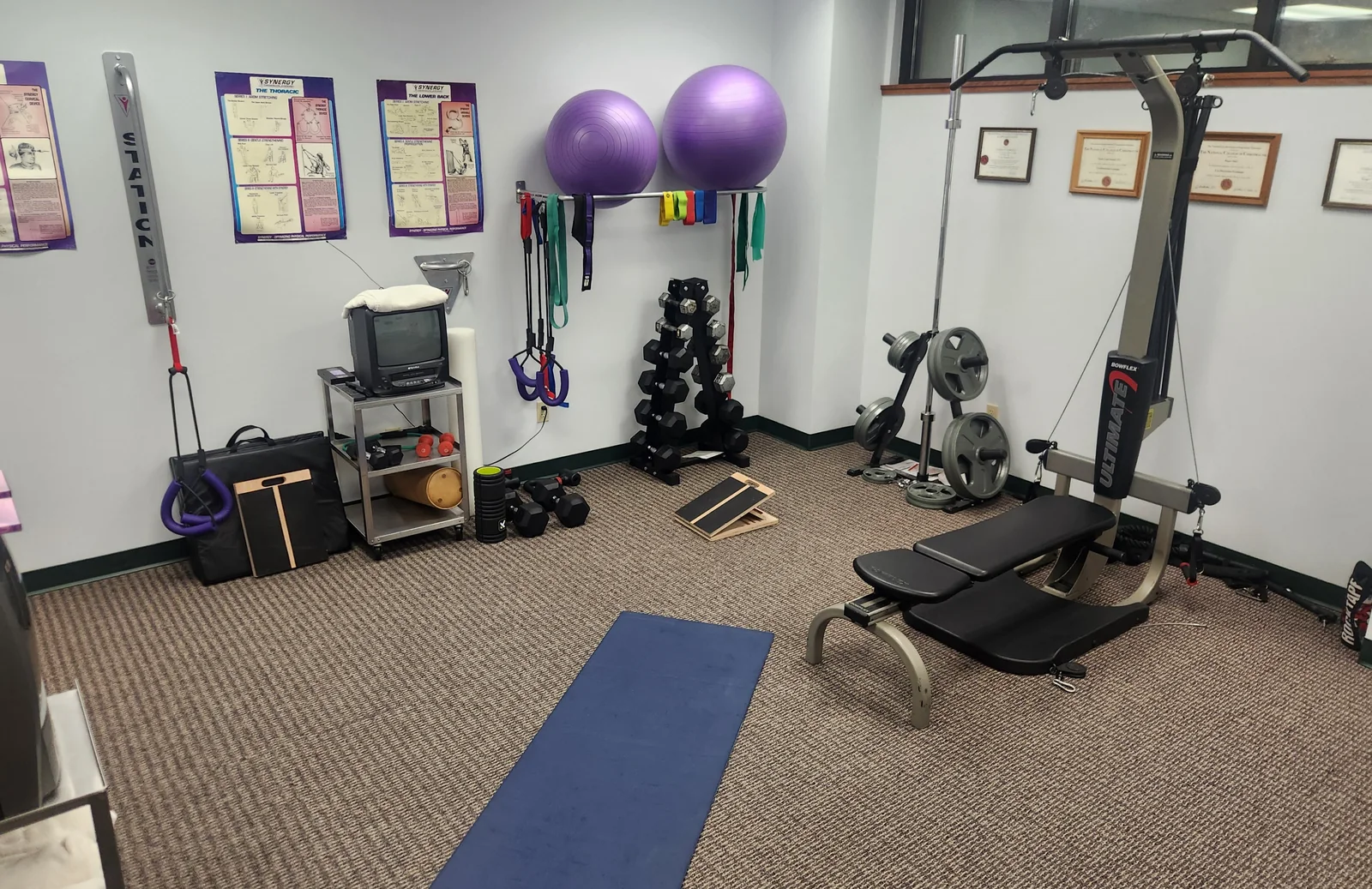
Your Freeport care team
Depending on the assessment, care may include soft tissue work, rehab exercises, and discussion of footwear or activity. Ask which options suit your symptoms and whether further medical review is needed.
Bring questions about standing at work, walking, running, and the shoes you use. We can discuss changes to daily loads and how to practice any agreed exercises.
Common questions
Ask about daily activity, care options, and when to seek further assessment.
Many foot problems are managed without surgery. The diagnosis and severity guide care. A fracture, tendon rupture, or another significant problem may require specialist assessment and a different treatment plan.
Well-fitting, supportive footwear may reduce pressure on a sore area. Wide, comfortable shoes with a low heel and cushioned sole are an option for heel pain. Ask whether insoles are appropriate for your symptoms.
Reduce activities that make symptoms worse. Exercise advice depends on the cause; a suspected fracture or major tendon injury needs assessment first. Work with your clinician on a gradual return to comfortable activity.
Ask a pharmacist or prescribing clinician about medicines that suit your health history. A cold pack wrapped in a towel can be applied to a painful heel for up to 20 minutes every 2 to 3 hours. Keep ice off bare skin.
Seek urgent care for severe pain after an injury, a changed foot shape, a snapping sound with sudden pain, or inability to walk. New numbness, a cold or discolored foot, or marked redness and swelling with fever also needs prompt medical assessment.
Arrange a review if symptoms affect daily activities, worsen or keep returning, or do not improve after two weeks of self-care. Tingling or loss of sensation also needs review. If you have diabetes, discuss new foot pain promptly.
Patient information: NHS heel pain guidance · AAOS stress fracture guidance
Talk with our team
Call with questions or to arrange a visit at our Freeport clinic.