Your symptoms
Describe the location, timing, and effects of your discomfort.

Nonsurgical spine care
Talk with our Freeport team about disc-related back or neck symptoms, sciatica, and whether nonsurgical spinal decompression fits your care.
Understanding decompression
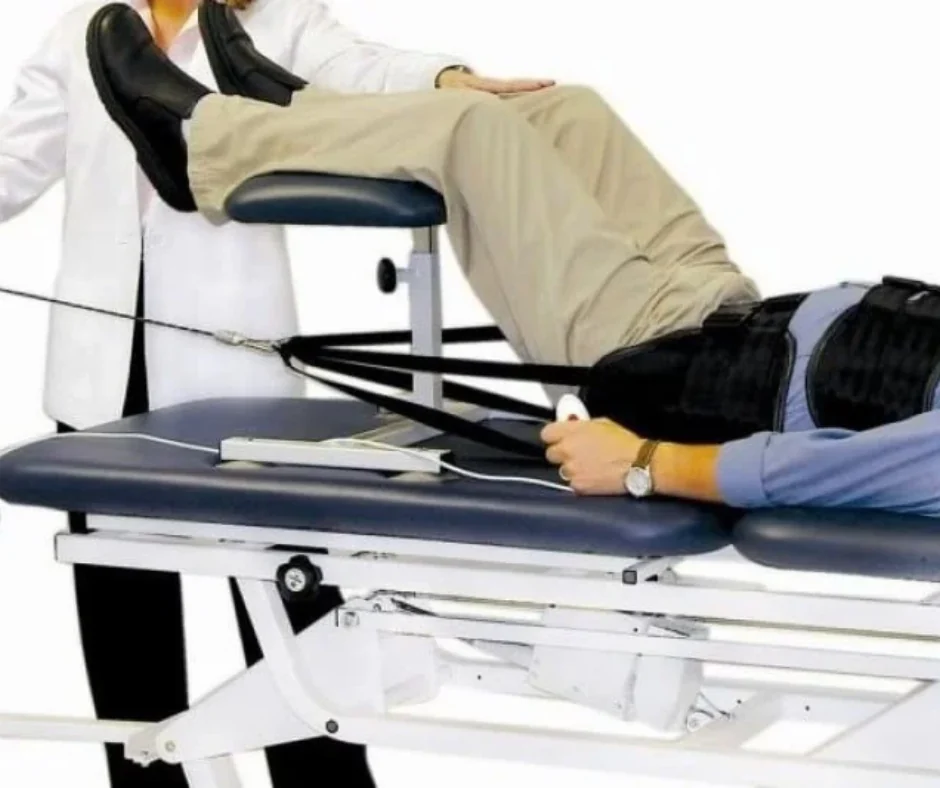
Nonsurgical spinal decompression uses motorized traction to apply controlled pulling forces to the spine. The treatment aims to change loading on spinal structures and improve comfort.
It does not involve an incision or removal of disc material. Your clinician will explain whether this approach is suitable and discuss other options when needed.
Describe the location, timing, and effects of your discomfort.
Discuss changes in work, sleep, exercise, or family life.
Review the options and how your response will be assessed.
Conditions to discuss
Our clinic considers decompression for selected patients with compatible symptoms and clinical findings. A diagnosis alone does not determine whether this treatment is right for you.
Disc changes can occur with or without symptoms. An assessment considers whether the findings match your discomfort and examination.
Pain, tingling, or numbness into the buttock or leg can have several causes. Discuss these symptoms before choosing a treatment.
Age-related disc changes do not always cause pain. Your history and movement help put imaging findings into context.
If symptoms have continued despite previous care, review the diagnosis and available options with your clinician.
What to expect
Your care begins with a conversation and examination. Ask about expected benefits, risks, costs, and alternatives.
Share your symptoms, previous treatment, medical history, and the activities you want to do more comfortably.
Your clinician assesses whether traction is appropriate and explains the proposed positioning and treatment.
Tell us how you feel during and after treatment. Your progress helps guide whether to continue, adjust, or seek further assessment.
Your local care team
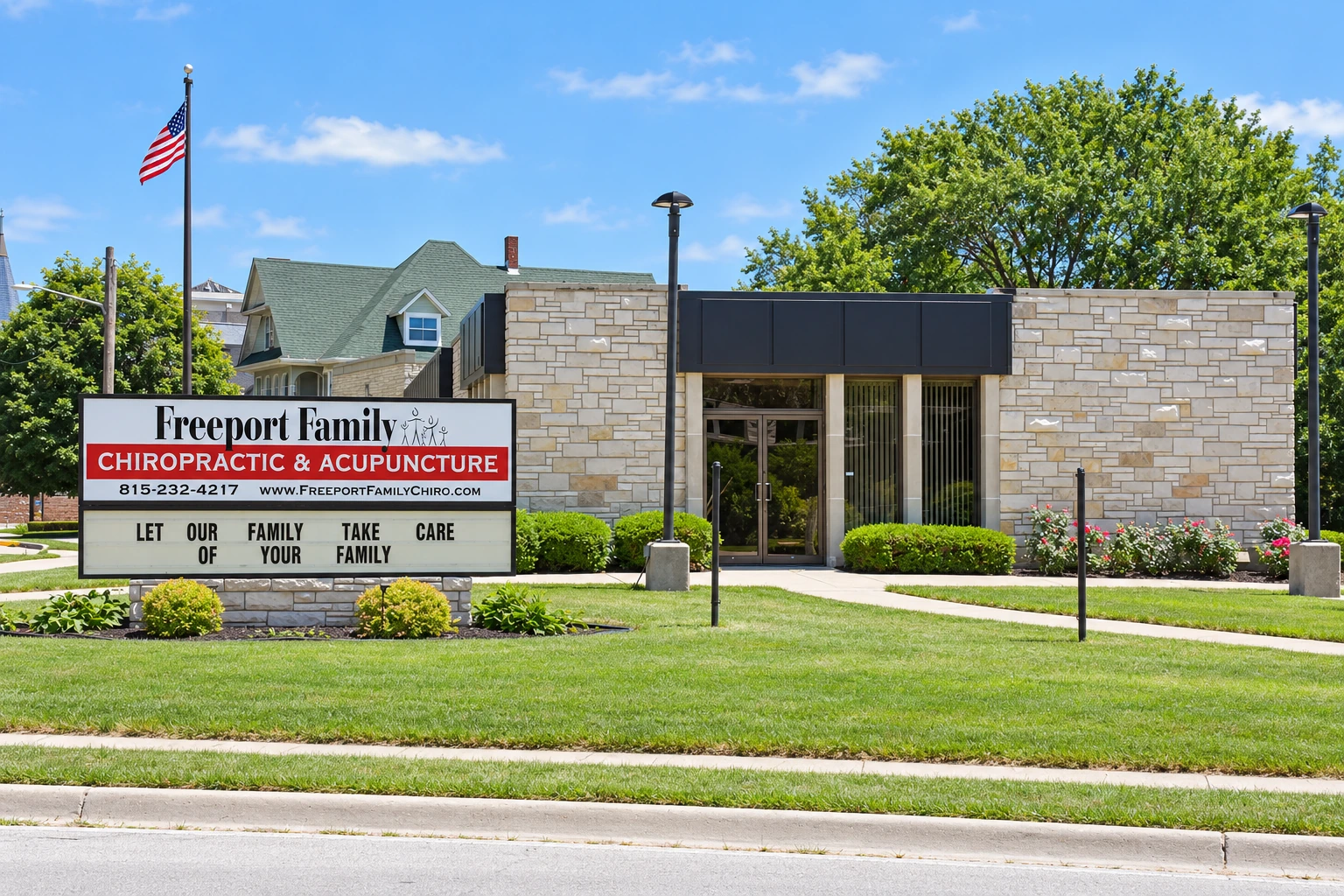
We serve Freeport and surrounding northern Illinois communities. Our approach considers your history, examination, and goals before recommending care.
If your symptoms need further medical or surgical evaluation, that assessment takes priority. Ask how treatment fits with any care you already receive.
Meet Dr. Roger SdaoBefore your visit
Ask about the treatment, suitability, and what to expect.
It is a form of motorized traction that applies controlled pulling forces through a treatment table and supports. Your clinician explains the positioning and proposed treatment before starting.
Nonsurgical treatment uses traction equipment. Spinal decompression surgery involves an operation to relieve pressure on nerves or other spinal structures. The appropriate options depend on your diagnosis.
The clinic considers selected patients with disc-related symptoms or associated nerve irritation. Your history, examination, and any relevant imaging help determine whether conservative care is appropriate.
Relief and long-term benefit are not guaranteed. Evidence for traction-based treatment is mixed, and it is not appropriate for every back problem. Discuss expected benefits, limitations, risks, and alternatives before beginning.
Traction applies a gradual stretch. Tell your clinician immediately if it is uncomfortable or makes symptoms worse. Ask how the treatment can be paused or stopped.
Ask about the proposed schedule, cost, and how progress will be reviewed. Your symptoms, goals, and response to care guide decisions about continuing or changing the plan.
Tell your clinician about previous spinal surgery, fractures, osteoporosis, pregnancy, medical conditions, and current medicines. New or worsening neurological symptoms need prompt medical assessment.
Talk with our team
Call to discuss spinal decompression or arrange an evaluation.