Your symptoms
Discuss pain, stiffness, and changes in shoulder strength.


Shoulder care in Freeport
Reaching, lifting, and sleeping can feel different when your shoulder hurts. Talk with our team about your symptoms and the activities you want to do more comfortably.
Understanding your shoulder
Your shoulder combines joints, muscles, and tendons to move your arm in many directions. Overuse, injury, and age-related changes can affect how it feels and functions.
Tell us when the pain began, what makes it worse, and which movements are difficult. An examination helps guide the next step.
Discuss pain, stiffness, and changes in shoulder strength.
Share the movements that matter at work, home, or sport.
Ask about suitable treatment and any further assessment needed.
Common causes
Shoulder pain can begin suddenly or build over time. Similar symptoms can come from different problems, so a review of your history and movement matters.
The rotator cuff helps move and stabilize your shoulder. Tendon irritation or a tear can affect lifting, reaching, and strength.
Irritated tendons or an inflamed bursa can make everyday shoulder movement uncomfortable. Repeated overhead activity can contribute to these problems.
Arthritis and frozen shoulder can involve persistent stiffness and reduced motion. An assessment helps distinguish the cause and guide care.
A fall, impact, or dislocation can damage shoulder structures. Sudden severe pain, deformity, or inability to move the arm needs urgent medical assessment.
What you may notice
Symptoms can affect simple tasks, from putting on a shirt to reaching a shelf. Tell your care team about any changes in movement, strength, or sensation.
Care at our clinic
Our team will discuss whether care at the clinic fits your needs or whether further medical assessment is appropriate.
Talk about how the problem started, previous injuries, current care, and the activities affected.
Ask about the assessment findings, proposed treatment, alternatives, costs, and what to expect.
Follow the guidance agreed with your clinician. Your response helps guide changes to the plan or referral when needed.
Your Freeport care team
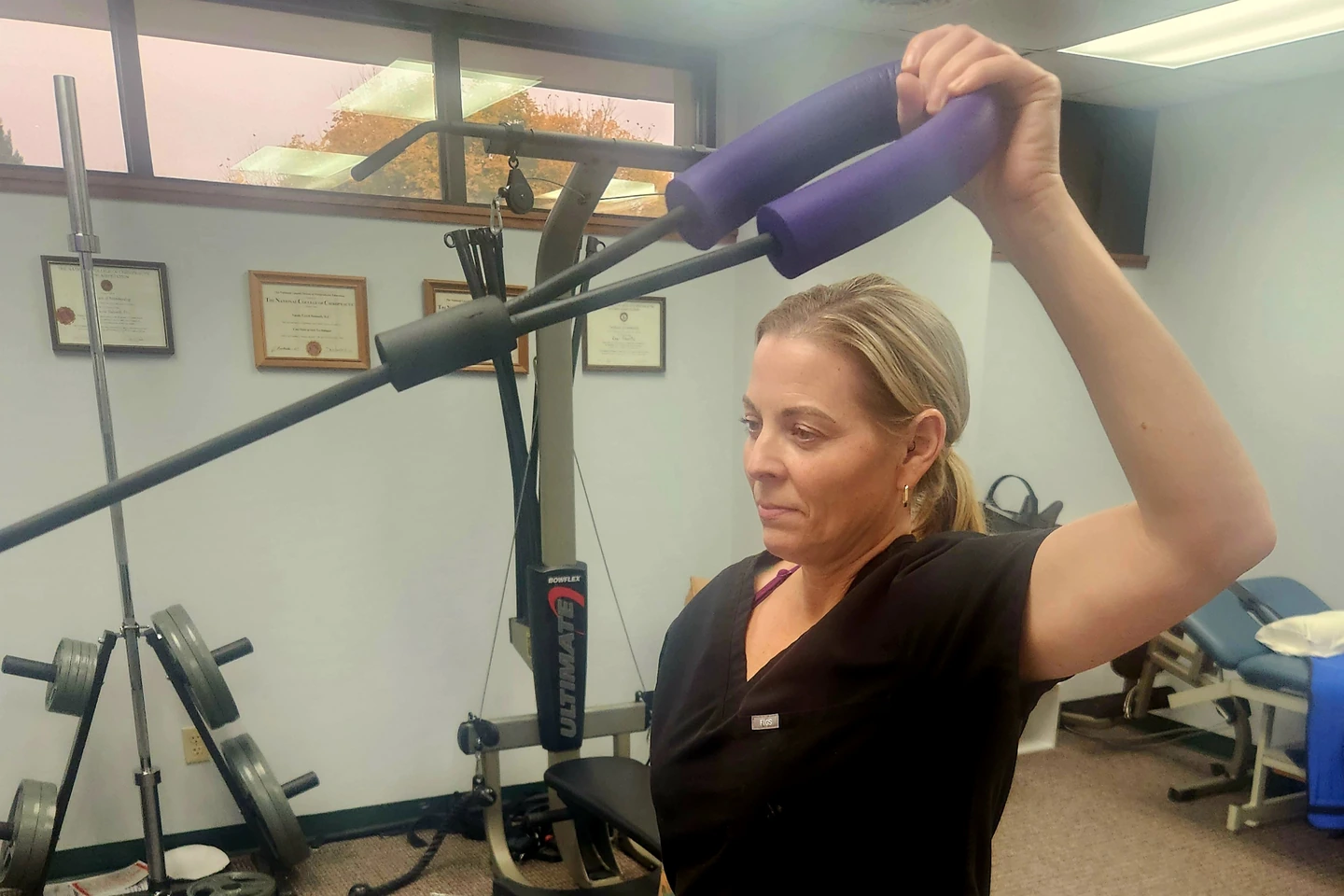
When appropriate, your plan may include soft tissue care and rehab exercises. Ask how each recommendation relates to your shoulder and the goals you have discussed.
Dr. Roger Sdao also shares information about the shoulder in our clinic's videos.
Common questions
Ask about daily activity, care options, and when to seek further assessment.
Many shoulder problems can be managed with nonsurgical care. The cause, severity, and response to treatment guide the options. Some injuries need specialist assessment or surgery.
Keep gentle movement within your comfort and reduce activities that worsen symptoms. Avoid heavy lifting or strenuous exercises until you have guidance. A recent injury may need specific advice.
Appropriate exercises can work on shoulder movement and strength. Your clinician can help choose a starting point and adjust the plan. Stop an exercise that makes your pain worse and ask for a review.
Ask your pharmacist or prescribing clinician which options are suitable for you, especially if you take other medicines or have medical conditions. Follow the instructions you receive.
Get urgent assessment for sudden severe pain, a badly swollen or changed-shape shoulder, inability to move the arm, persistent numbness, or shoulder pain after an accident. Fever or feeling unwell with shoulder pain also needs prompt attention.
Recovery depends on the cause, severity, and your response to care. Ask about the proposed plan and when to review progress. A fixed number of visits cannot guarantee recovery.
Patient information: NHS shoulder pain guidance · AAOS shoulder problems
Talk with our team
Call with questions or to arrange a visit at our Freeport clinic.