Your symptoms
Describe stiffness, headaches, or changes in arm sensation.


Neck care in Freeport
Neck stiffness can make desk work, driving, and sleep uncomfortable. Talk with our team about what you feel and the movements you want to do more comfortably.
Understanding neck pain
Your neck supports your head and allows it to turn and tilt. Muscles, ligaments, joints, and discs work together, so several different problems can cause similar discomfort.
Tell us when symptoms began and whether they stay in your neck or travel into your arm. Your history and examination help guide care or further assessment.
Describe stiffness, headaches, or changes in arm sensation.
Talk about desk work, sleep, driving, and exercise.
Ask about suitable treatment and any further assessment needed.
Common causes
Neck pain can follow an injury or develop during everyday routines. A review helps identify what needs attention.
Muscles and ligaments can become sore after overuse or strain. Long periods with your head in one position can also aggravate symptoms.
An awkward sleeping position or hours at a desk can contribute to neck discomfort. Discuss your work setup, breaks, and pillow with your clinician.
Age-related changes in the neck can involve the discs and joints. These changes do not always cause symptoms; an assessment helps put findings in context.
Whiplash and other injuries can affect the neck. An irritated nerve may cause pain into the arm, tingling, numbness, or weakness that needs medical review.
What you may notice
Share what makes symptoms better or worse and whether they affect sleep or work. Tell your clinician about arm symptoms as well as neck discomfort.
Care at our clinic
Our team will discuss whether care at the clinic fits your needs or whether further medical assessment is appropriate.
Talk about how the problem started, previous injuries, current care, and the activities affected.
Ask about the assessment findings, proposed treatment, alternatives, costs, and what to expect.
Follow the guidance agreed with your clinician. Your response helps guide changes to the plan or referral when needed.
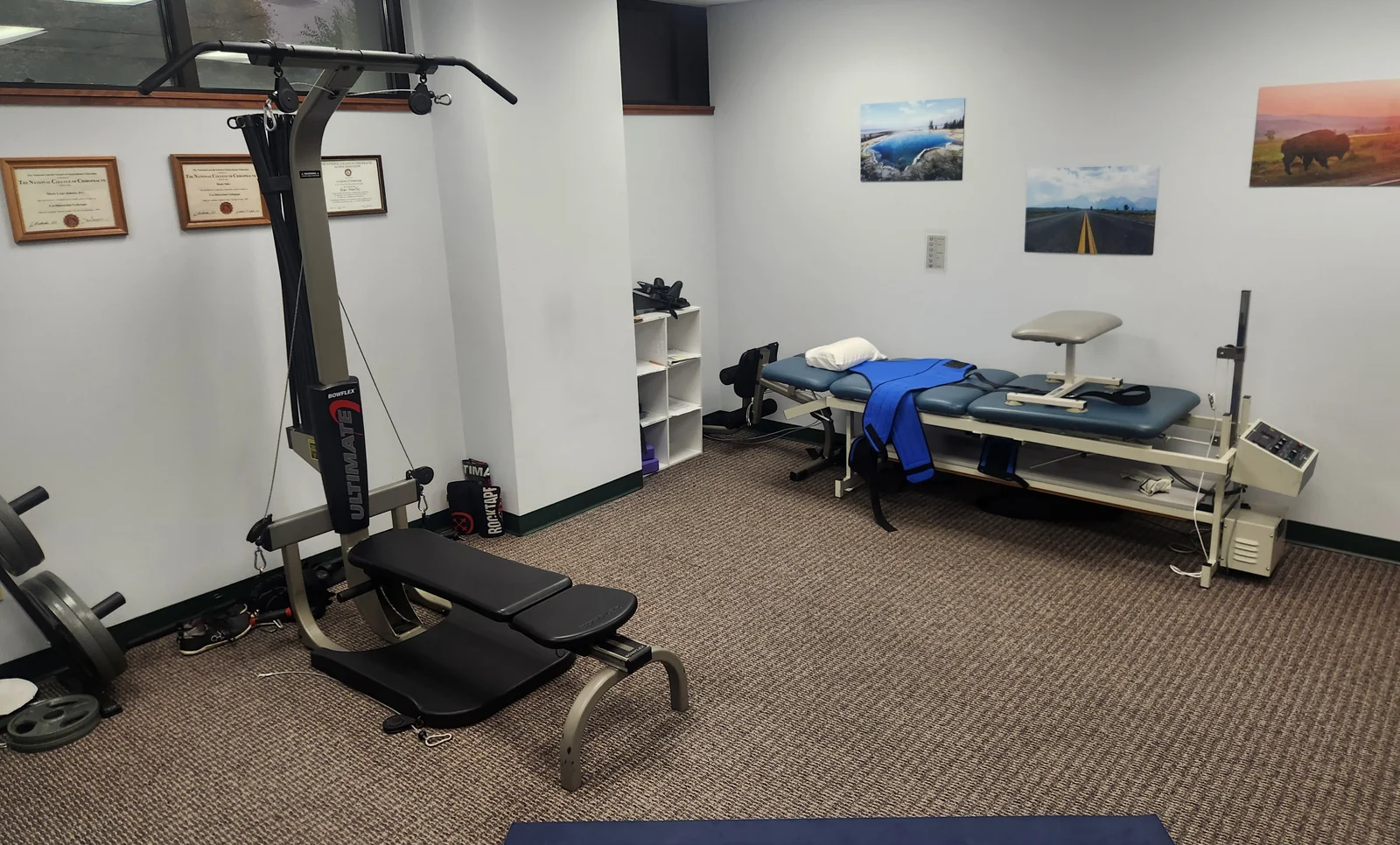
Your Freeport care team
Depending on your assessment, care may include soft tissue work and rehab exercises. Ask how each recommendation fits your neck symptoms and when your progress will be reviewed.
Bring questions about your workstation, movement breaks, or returning to activities. Our team can explain which changes fit your situation.
Common questions
Ask about daily activity, care options, and when to seek further assessment.
Many neck problems respond to nonsurgical care. The cause, severity, and changes in nerve function guide treatment. Some conditions need specialist assessment, and surgery may be considered when appropriate.
Keep gentle movement within your comfort and adjust tasks that worsen symptoms. Take breaks from prolonged positions. Avoid driving or cycling if you cannot turn your head safely. After an injury, follow medical guidance.
Appropriate exercises can work on flexibility and strength. Ask which movements suit your symptoms and how to progress them. Stop and seek advice if an exercise brings on radiating pain, numbness, or weakness.
Ask a pharmacist or your prescribing clinician which options fit your health history and other medicines. Follow their instructions and arrange a review if pain continues.
Seek immediate medical care for severe neck pain after an accident or fall, or injury-related pain spreading into the arms or legs. Arm or leg weakness, numbness, or changes in hand coordination also need prompt medical assessment. Persistent or worsening pain should be reviewed.
The cause and severity affect recovery, and progress differs between people. Ask when to review your symptoms and movement. If pain persists, worsens, or new symptoms appear, your plan needs reassessment.
Patient information: NHS neck pain guidance · AAOS neck pain guidance
Talk with our team
Call with questions or to arrange a visit at our Freeport clinic.